Children's Book Illustrations We Have Created
Each illustration project is developed around the story's characters, age group, and visual style.
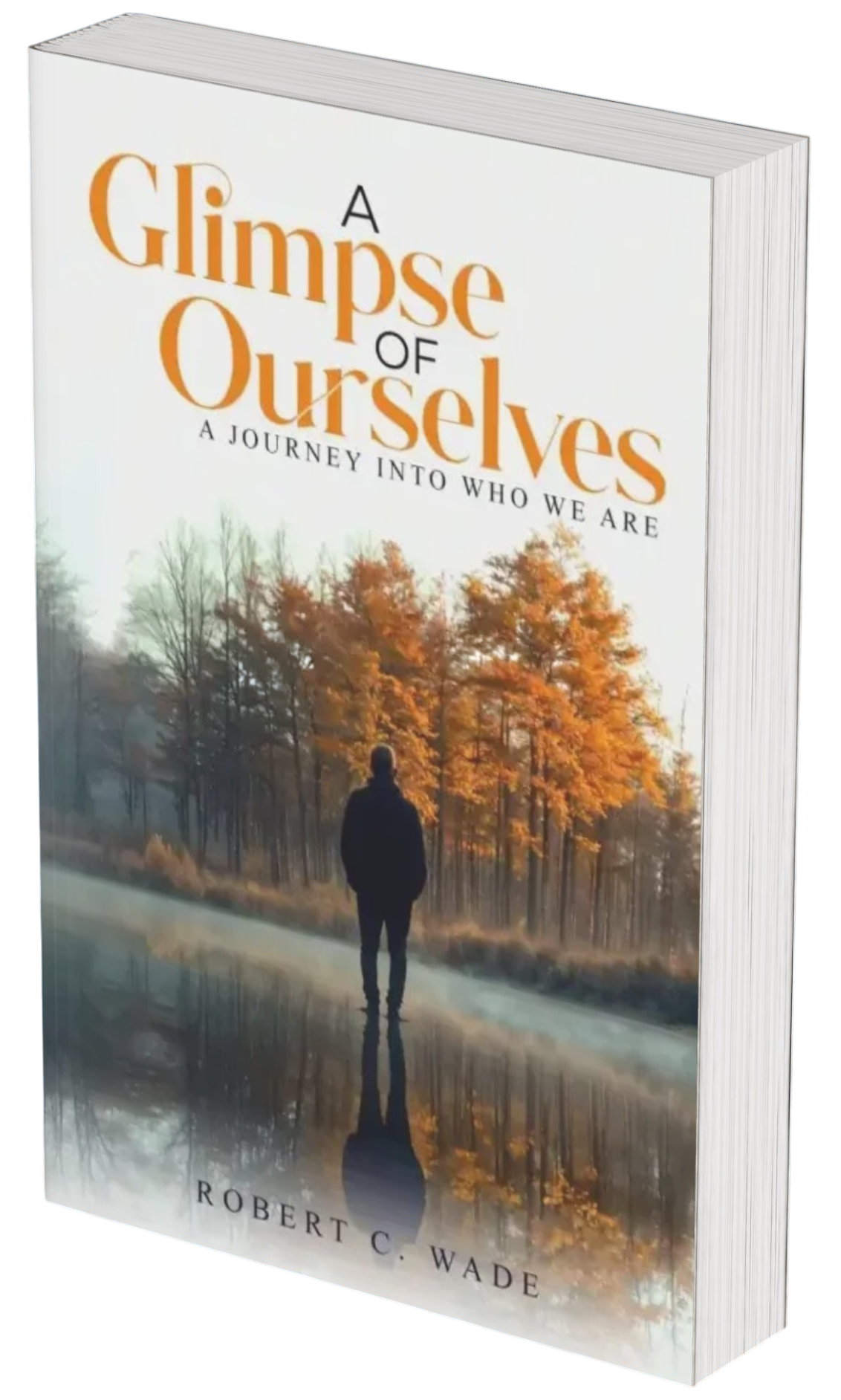
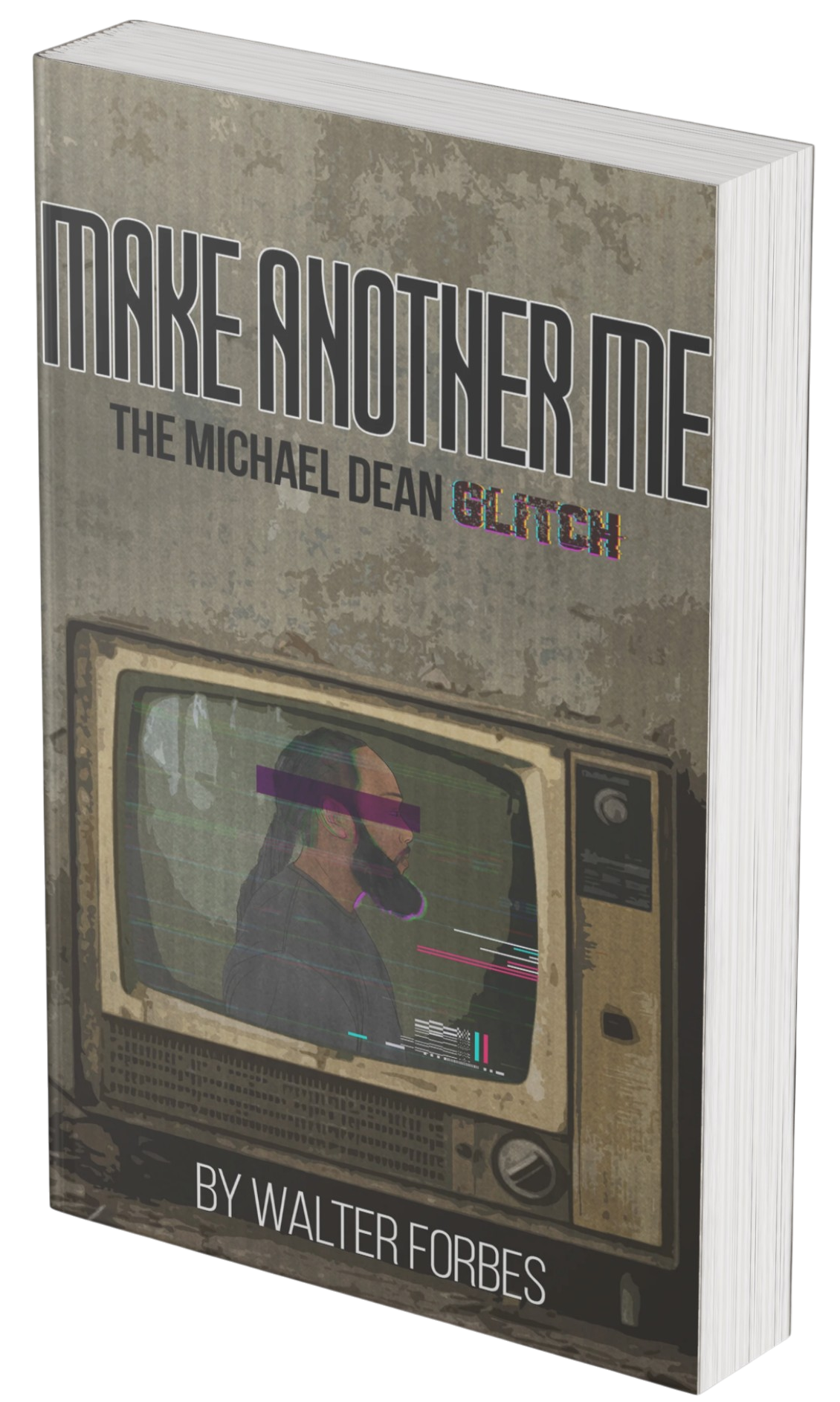
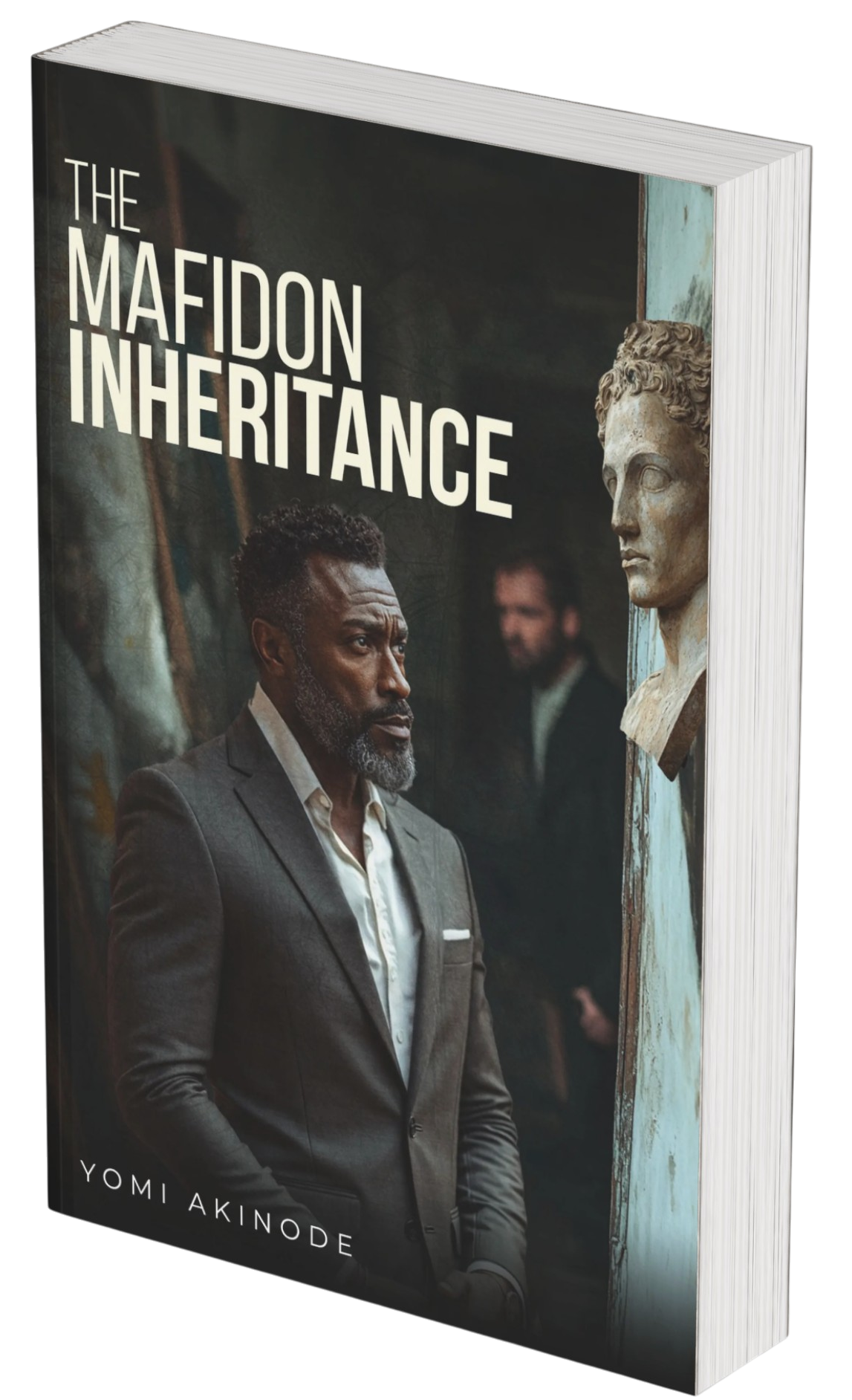
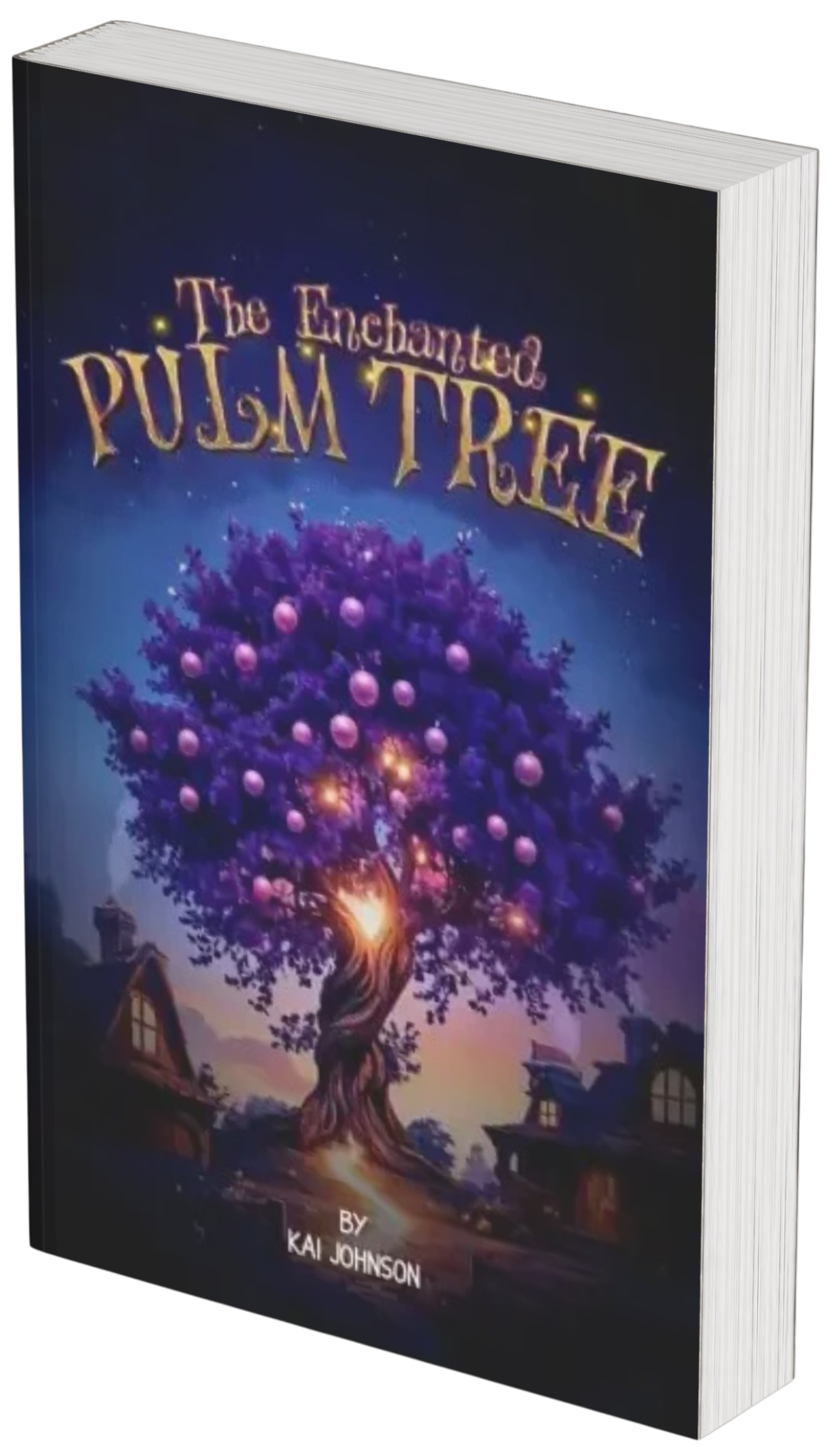

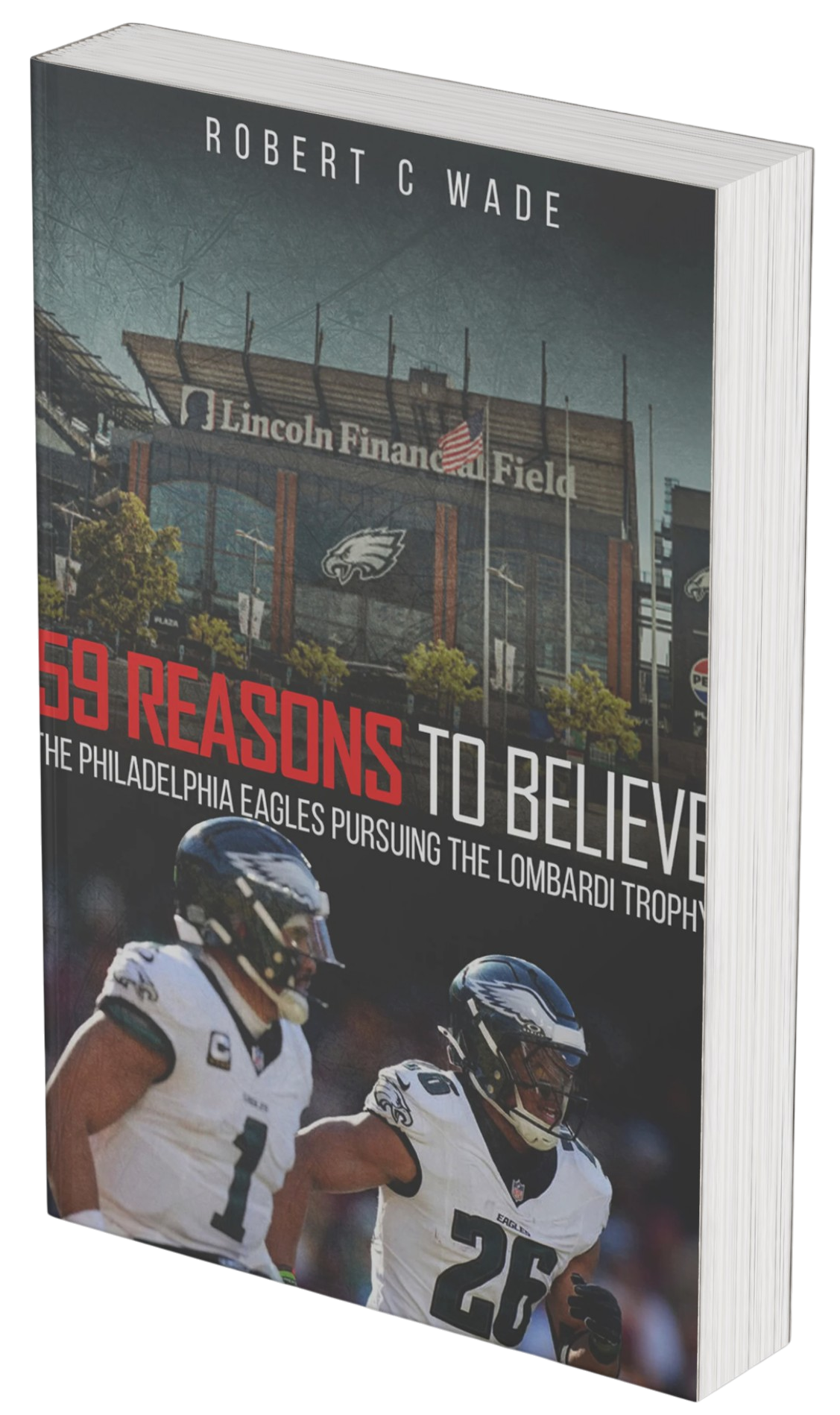
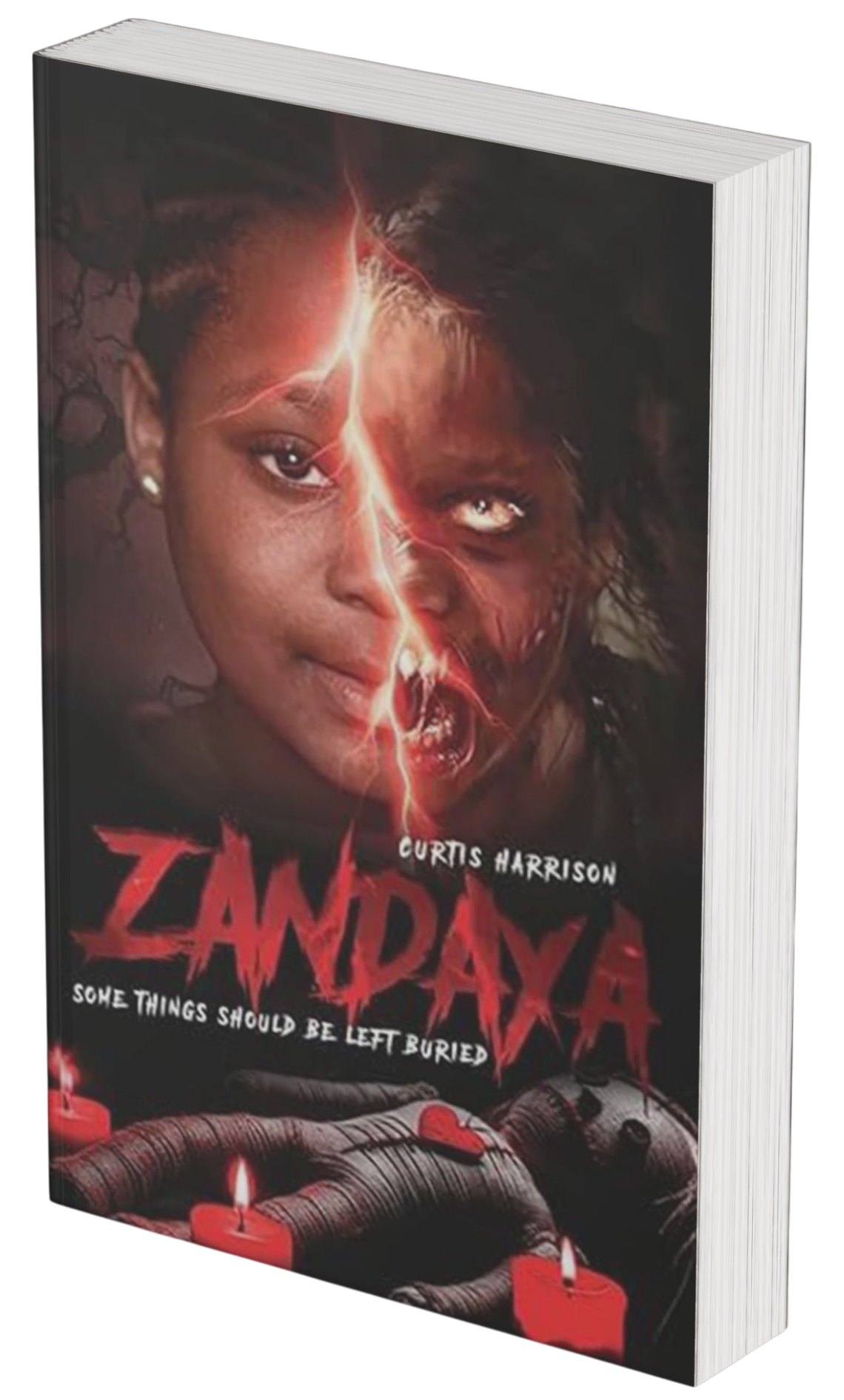
Each illustration project is developed around the story's characters, age group, and visual style.
In a children's book, illustrations are not decoration. They carry the story. For young readers who are still developing their reading skills, the images often communicate more than the words. A well-illustrated book keeps children engaged, helps them understand the narrative, and makes the characters feel real and memorable.
We work with you to develop a consistent visual style that fits your story and age group. From character design and scene composition to color palette and page layout, every illustration is created to work alongside your text and bring your story to life in a way that connects with young readers.
Different books call for different visual approaches. The right illustration style depends on your story's tone, the age group you are writing for, and how much of the page you want the illustrations to occupy. Here is an overview of the main illustration formats we work with.
Spot illustrations are small, focused images that appear alongside text, often at the start of a chapter or section. They add visual interest without dominating the page and work well in early reader and middle grade books where text takes up most of the space. They help set the scene or introduce a moment without requiring a full-page spread.
Half-page illustrations share the page with text, typically occupying the top or bottom half. They are more detailed than spot illustrations and are commonly used in picture books and early readers to support the story visually. They give the illustrator room to develop a scene or character moment while keeping the text visible and readable.
Full-page illustrations take up an entire page and are highly detailed. They are most common in picture books where the visual storytelling carries as much weight as the words. A full-page illustration can convey emotion, action, or setting in a way that text alone cannot, making it a powerful tool for engaging young readers.
Double-page spreads extend across both pages of an open book, creating a wide, immersive visual. They are used for key moments in the story where the scene or action deserves maximum visual impact. Spreads require careful planning to ensure the illustration works correctly across the gutter and looks right in both print and digital formats.
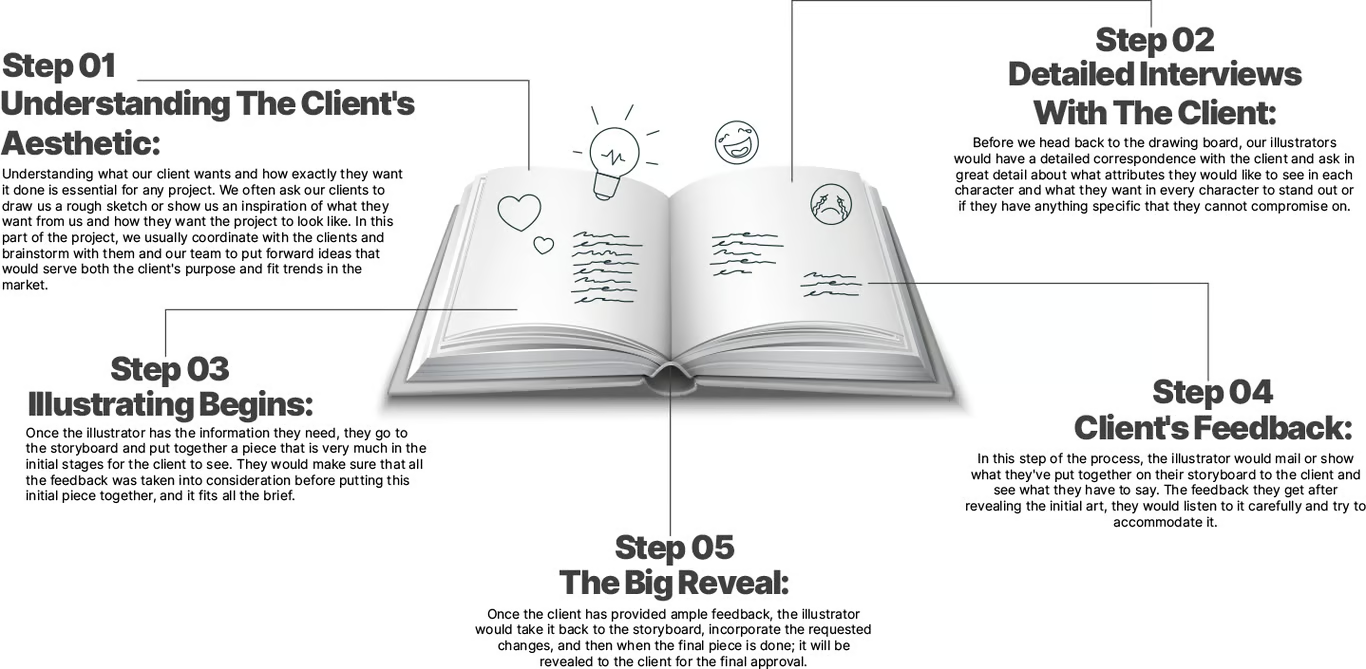
We start with a briefing to understand your story, characters, and visual goals. From there we develop initial character sketches and style concepts for your review, refine based on your feedback, and then move into full illustration production. You review each stage before we proceed so the final illustrations match your vision.
We handle the full illustration process from initial character concepts through to final print-ready and digital files. Whether you have a complete manuscript or are still developing your story, get in touch to discuss your project and we will put together the right illustration plan for you.